

Picture this: you’ve finally bought your dream plot, hired an architect, and now the excavator rolls in—but suddenly everything feels overwhelming. When does the RCC start? Why are they doing plumbing now? For most first-time home builders in India, the construction process of a residential building seems like a black box full of delays and surprises. This step-by-step guide breaks it down into 12 clear stages with timelines, checklists, and real-site tips so you can supervise like a pro and finish on time, within budget.
Pre-Construction Planning: Your Blueprint for Success (1–3 Months)
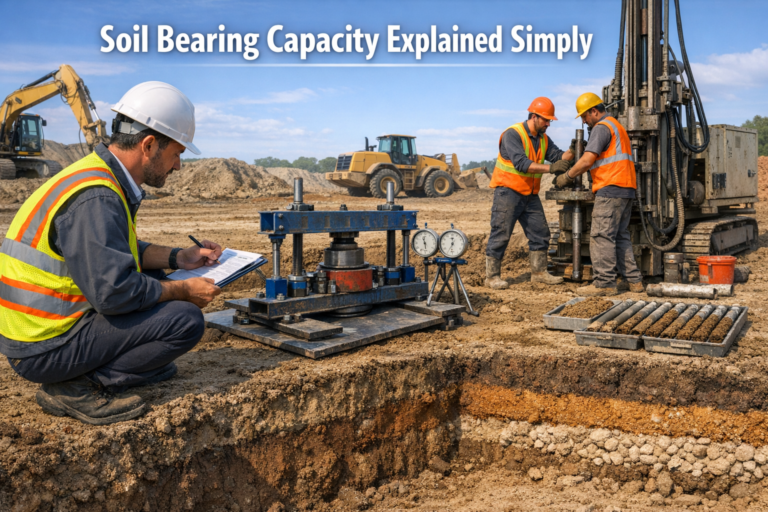
Everything starts here, long before the first shovel hits dirt. Get a detailed survey of your plot including boundaries, levels, and setbacks. Soil testing (SPT or plate load) determines foundation type—critical for black cotton soil or high water table areas common in Maharashtra or UP.
Hire architect + structural engineer for sanctioned drawings (plan, elevation, sections). Apply for building plan approval from municipal corporation—takes 30–60 days depending on city (BMC Mumbai, BBMP Bangalore). Finalize BOQ, contractor agreement (item rate preferred for control), and budget (₹1800–2500/sq ft for standard G+1 in 2025). Secure loans, insurance. Checklist: All approvals in hand? Soil report reviewed?
Stage 1: Site Clearing and Marking (3–7 Days)
Clear vegetation, level site, erect boundary wall or fencing. Mark building footprint using lime powder or paint based on architect’s grid (chainage every 3m). Store materials safely. Pitfall: Wrong marking leads to wall misalignment—double-check with total station or tape + plum bob.
Stage 2: Foundation Work (2–4 Weeks)
Excavate to design depth (1.5–3m for isolated footings). Pour plain cement concrete (PCC 1:4:8) bed, then reinforcement + M25 concrete footings. Backfill, cast plinth beam (beams at ground level tying footings), and damp-proof course (DPC: 50mm cement mortar + bitumen). Monsoon tip: Stock tarpaulin sheets.

- Owner check: Footings plumb? Reinforcement clean, chairs placed? Cure 7 days minimum.
Stage 3: Superstructure – RCC Columns, Beams, Slabs (6–10 Weeks)
The skeleton rises here. Erect columns (M25/30 concrete, Fe500 steel) floor by floor, ensuring verticality with spirit level. Fix beams (depth span/12), then slab formwork/shuttering. Pour slab (125–150mm thick M20/25). Sequence: All columns same floor → beams → slab. De-shutter after 21 days slabs, 7 days beams.
Critical: Proper vibration, cover (40mm slabs), cube samples. For G+1 (1000 sq ft/floor), expect 3–4 weeks per floor.
Stage 4: Brickwork / Blockwork / Masonry (3–5 Weeks)
Once slabs cure (28 days min), walls go up. Use first-class bricks, fly ash bricks, or AAC blocks (150–200mm thick external, 100mm internal). English bond pattern, 1:6 mortar. Cast lintels over openings. Cure walls 7 days, keep plumb.
Tip: AAC blocks speed up 20–30% vs bricks, better insulation. Check: Vertical alignment? Joints uniform?
Stage 5: Waterproofing and Plastering (2–4 Weeks)
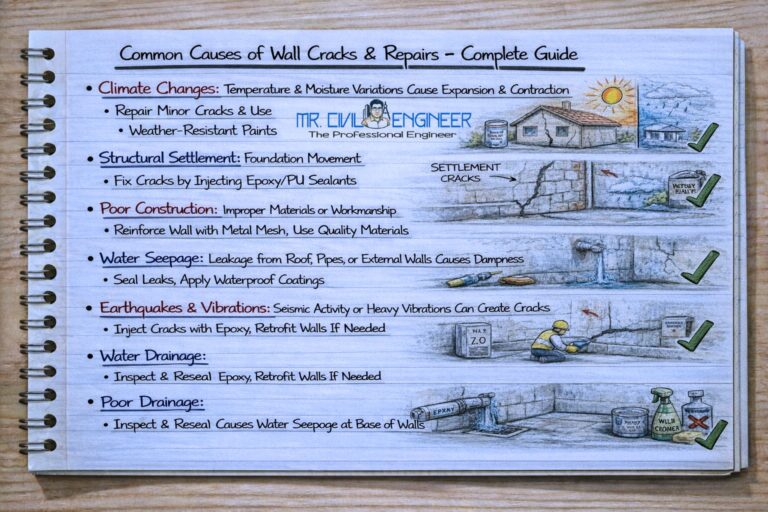
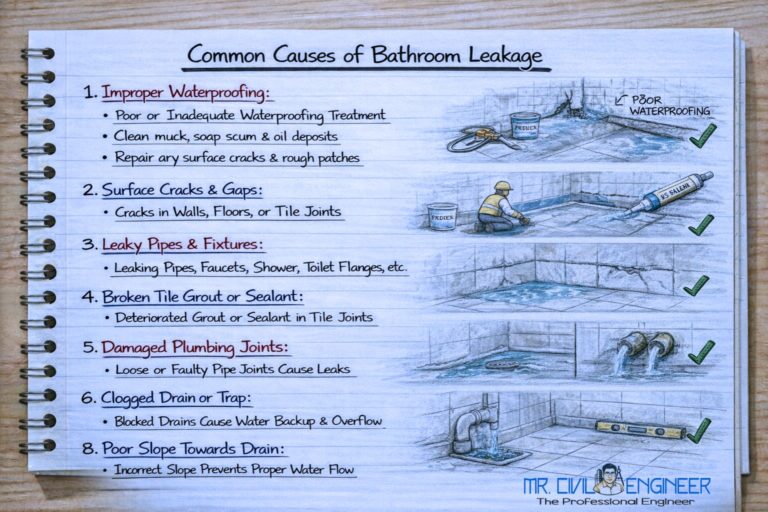
Do not skip! Terrace: Clean, crack-seal, apply 2–3 coats polymer cementitious or PU membrane, slope to outlets. Bathrooms: Cementitious coating on sunken slabs/walls, 24hr pond test. External walls: Elastomeric coating.

Then 12–15mm cement plaster (1:5 internal, 1:6 external chicken mesh junctions). Sponge finish internal walls. Cure plaster 7 days.
Stage 6: Electrical and Plumbing Roughing (1–2 Weeks)
Before final plaster! Chase walls/pipes in slabs for conduits (PVC 20–25mm), wires (1.5sqmm lights, 4sqmm power). Plumbing: CPVC/PVC pipes for water/sewage, test pressure. Mark switch points, DB position. Pitfall: Wrong chasing weakens walls—max 1/3 wall thickness.
Stage 7: Flooring and Dado (3–4 Weeks)
Base screed (50mm 1:4 cement mortar). Lay vitrified/porcelain tiles (600x600mm living, anti-skid bathrooms), marble/granite stairs. Dado 4–7ft high bathrooms/kitchen. Grout, polish. Allow 3 days/set before traffic.
Cost saver: Vitrified ₹50–80/sq ft vs imported marble ₹200+.
Stage 8: Doors, Windows, and Hardware (2–3 Weeks)
Fix frames (teak 100x50mm doors, UPVC/aluminium windows). Hang panel/flush doors (35mm), sliding windows. Install grills, hardware (SS hinges, tower bolts). Align sills 900mm AFF. Seal gaps with silicon.
Stage 9: Painting and Putty (2 Weeks)
Wall putty (2 coats), primer, emulsion (2–3 coats interior Asian Paints/ Berger), exterior weathercoat. Roller for speed. Check: No damp patches? Even finish?
Stage 10: Final Fixtures and Finishes (1–2 Weeks)
Kitchen cabinets, bathroom vanities, sanitaryware (CP fittings), geysers. False ceiling (POP/Gypsum), wardrobes. Modular switches, fans, lights.
Stage 11: Testing and Commissioning (3–7 Days)
Electrical: Earth resistance <1 ohm, load test. Plumbing: Pressure test all lines. Waterproofing: Terrace ponding 48hrs. Fire NOC if apartment. Handover with as-built drawings.
Stage 12: Site Cleanup and Occupancy (1 Week)
Remove debris, clean, get completion certificate (CC). Occupancy!
Total Timeline: G+1 2000 sq ft: 10–15 months (faster with ready-mix, AAC). Cost: ₹40–50 lakhs standard spec 2025.
| Stage | Duration | Milestone Payment |
|---|---|---|
| Foundation | 4 wks | 15% |
| RCC Frame | 8 wks | 30% |
| Brickwork | 4 wks | 15% |
| Finishes | 8 wks | 30% |
| Handover | 1 wk | 10% |
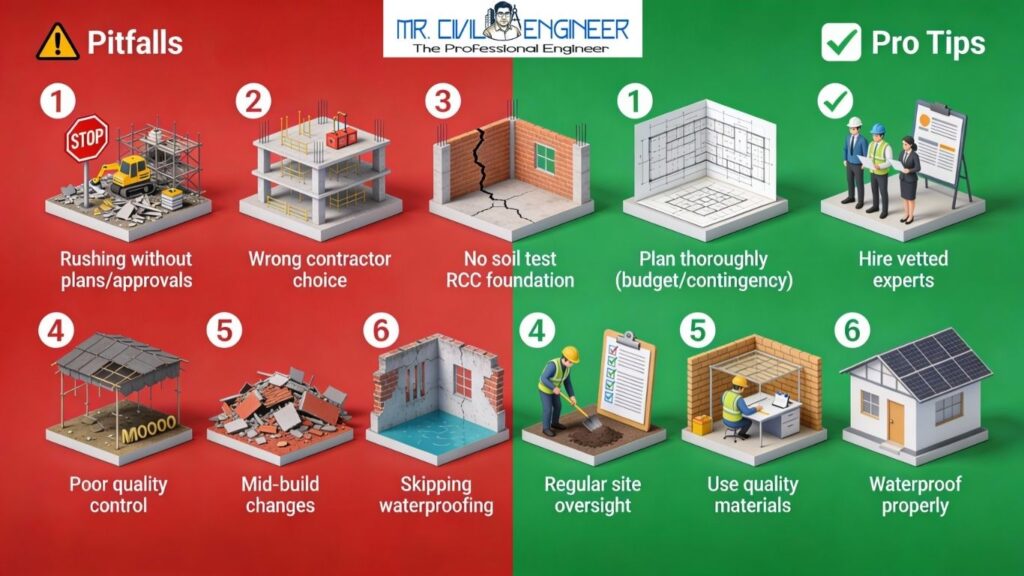
Common Pitfalls and Pro Tips
- Monsoon delay: Stock cement under cover, prioritize waterproofing.
- Quality control: Daily photos, third-party tests (₹5–10k total).
- Cost creep: Stick to BOQ, audit wastage (5–10% norm).
FAQs
How long to construct G+1 house India 2025?
10–15 months for 2000 sq ft, weather permitting.
Cost per sq ft residential construction?
₹1800–2800 carpet area, varies by city/materials.
When to do electrical/plumbing?
Roughing post-masonry pre-plaster; finishing post-tiling.
Conclusion: Build Smart, Move In Happy
The construction process of a residential building is like assembling a giant puzzle—each step builds on the last, and skipping details leads to cracks (literal and financial). With this roadmap, regular site visits, and milestone checks, you’ll turn chaos into a smooth handover. Save it, share with your contractor, and watch your dream home rise confidently.
Latest Articles
- Civil Engineering Basics Every Beginner Must Know
- House Construction Tips in India 2026: A Practical Guide for First-Time Home Builders
- Best Sustainable Construction Materials for 2026: Build Greener, Smarter, and Future‑Ready
- Green Infrastructure Design Tips: Practical Ideas for Cooler, Flood‑Safe Cities
- Robot-Assisted Construction Techniques: Faster, Safer Sites in 2026